The importance of structure

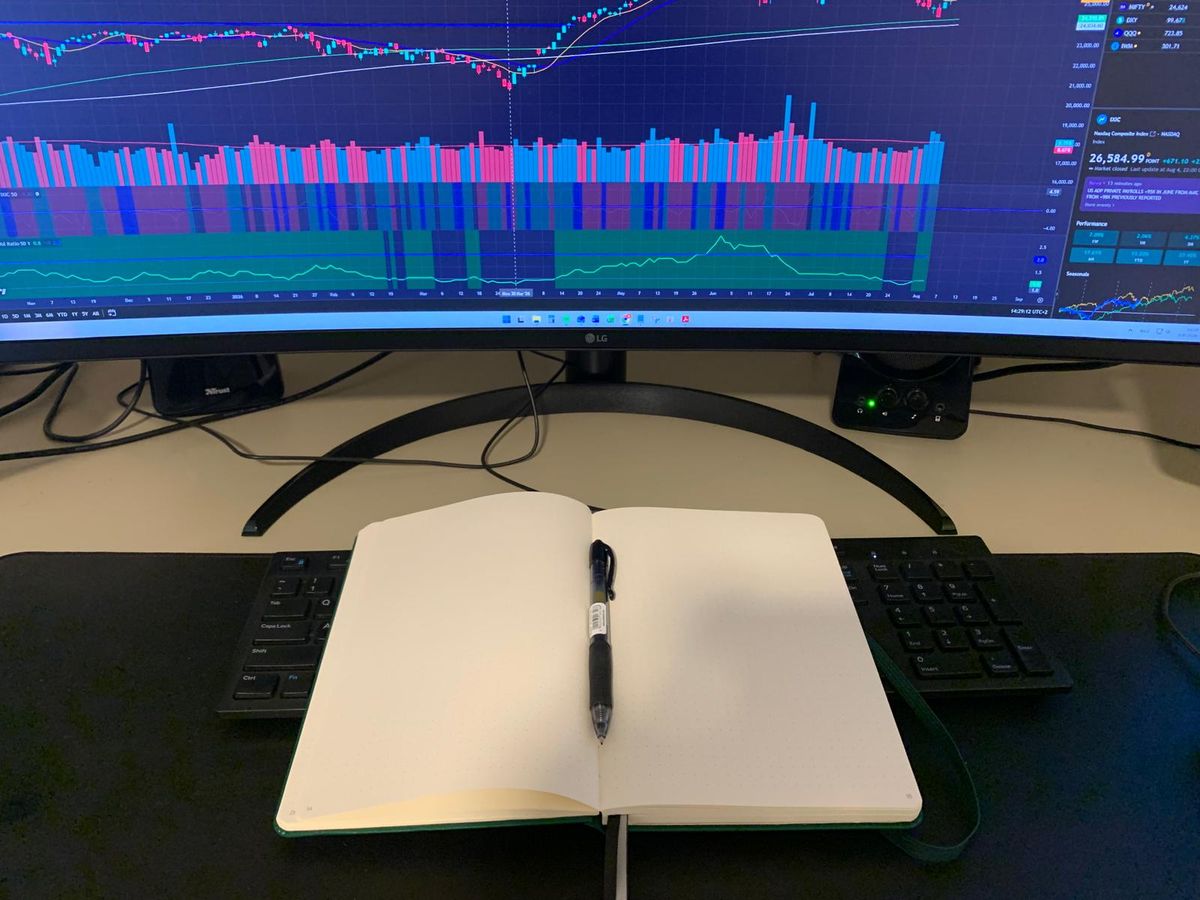
As with many things, motivation is a great way to start, but at some point, it fades. Habits and recurring activities are what keep you in it for the long run. Especially in trading, it is crucial to give yourself at least a few years to figure things out. This is where structure comes into play.
Why we need structure
Without structure, there are no real boundaries. There is an infinite number of ways to trade the markets. If you look at trading as a role-playing game (RPG), there is an unlimited amount of side quests. But do these side quests help you trade better? That's right, you need to focus on the things where the time spent actually makes an impact. A trader can spend years watching YouTube videos, constantly trying new strategies or patterns, diving deep into fundamentals, or running never-ending backtests. But do these things really add value to your trading? Or are they just a waste of time?
Then there is the psychological aspect. Say a trader has some structure, but it’s not very rule-based or detailed. Is he able to handle a trade when it gaps down? Does he panic and sell everything? Or does he stay calm, in control, and see it as normal market action? Or maybe he sells a partial position based on strict rules he has written down somewhere.
Without enough structure, we tend to waste time, lose focus on the things that matter, and risk making emotional decisions. That is why traders need structure.
How do we add structure
Examples of tools we can use to add structure are the following:
- A rulebook containing a set of rules that define everything you do as a trader.
- Routines: things you do at certain moments in a certain order.
- A journal for writing down your trades and thoughts.
What do these things offer us
The rulebook
Think of a rulebook as an answer to every situation you can face as a trader. This document is never truly finished, I believe, but the number of edits goes down as a trader becomes more profitable, skilled, and finds his personal style. I personally think every rulebook should have rules about at least these subjects:
- What you do in a nutshell: "If you can't explain it simply, you don't understand it well enough." - Albert Einstein
- General market trend: When do we scale in or scale out of markets? This is your traffic light, your ON/OFF switch
- What, when and how we buy: Fundamentals, chart/technicals, patterns, entry tactics, pyramiding, order types, etc.
- When we sell and how much: Before every entry, a trader should know exactly when to get out in every possible scenario. This leaves no room for emotional decision-making while you are in the trade.
- Screening: What criteria do you use to filter out the garbage?
- Routines: When do we do our analysis and what does our analysis look like? This will keep you away from analysis paralysis and those RPG side quests.
- Psychology: How are you managing emotions like greed, fear, and hope?
- Rejected rules & strategies: Things you tested in the past and rejected because they didn't fit your style, conflicted with other rules, or simply didn't work.
Routines
Whether you like it or not, if you are planning to take trading seriously, you need to treat it as a business, not a hobby (but keep the passion!). Depending on your style, you will need daily and longer-term routines that you can repeat. These routines will help you stay in the game for the long run. Things will simply become habits and start to feel natural. Eventually, things move faster and the time needed becomes less and less.
For me, as a position trader and trend follower, I have 4 types of routines: Daily, Weekly, After-Trend and yearly. A daily routine can look something like this:
- Analyze the general market: what type of market environment are we in?
- Check open positions: are any sell rules triggered, or is adding possible?
- Screen for new setups and update watchlists.
I personally do this one hour before the close. This gives me enough time to buy or sell something based on my findings. A weekly routine for me consists of screening the whole market, analyzing a few hundred stocks, and updating the watchlists. This is also where I reflect on the past week and make a plan for the upcoming one.
With 'After-Trend routines' I mean: a trend has passed, we are largely back in cash, and the market is flat or down. This is the perfect moment to reflect on how you handled that trend. What kind of trend was it? Analyze every trade you made and learn from them.
Yearly could be things you saved up while trading as things you want to backtest on the trades you made. Take a look at your numbers, how profitable am I, what's the win rate looking, did I outperform the market? What mistakes did I make? Anything to tweak for next year?
The journal
Yeah, yeah, I hear you thinking: "Journaling is for teenage girls" or "Why would I write anything down? It's in my head already. Everybody talks about this, but I don't see the necessity of it."
Okay, hear me out.
Writing down your actions and the thoughts behind them forces you to actually think about what you are doing. Are you comfortable writing down that you closed a profitable trade just because you were scared after Trump posted something about the Iran war? Only if you were following your own rules! What happens is that you automatically reflect while writing down what you did. This makes you hyper-aware of your actions and thoughts, which is crucial in trading. Also it gives a very powerful archive of situations you can go back to later.
In a market with endless ways to trade, where the outcome presents itself in money—positive or negative—traders need structure. Without it, what would we even be doing?
Disclaimer: The content of this blog is for educational and informational purposes only and does not constitute financial advice. The author is not a certified financial advisor. All analysis is based on historical market data and technical methodologies. Trading stocks and cryptocurrencies involves significant risk. Always do your own due diligence and consult with a professional financial advisor before making investment decisions.


